Creative poems, thought and writings. Complaints. Insights. And more…
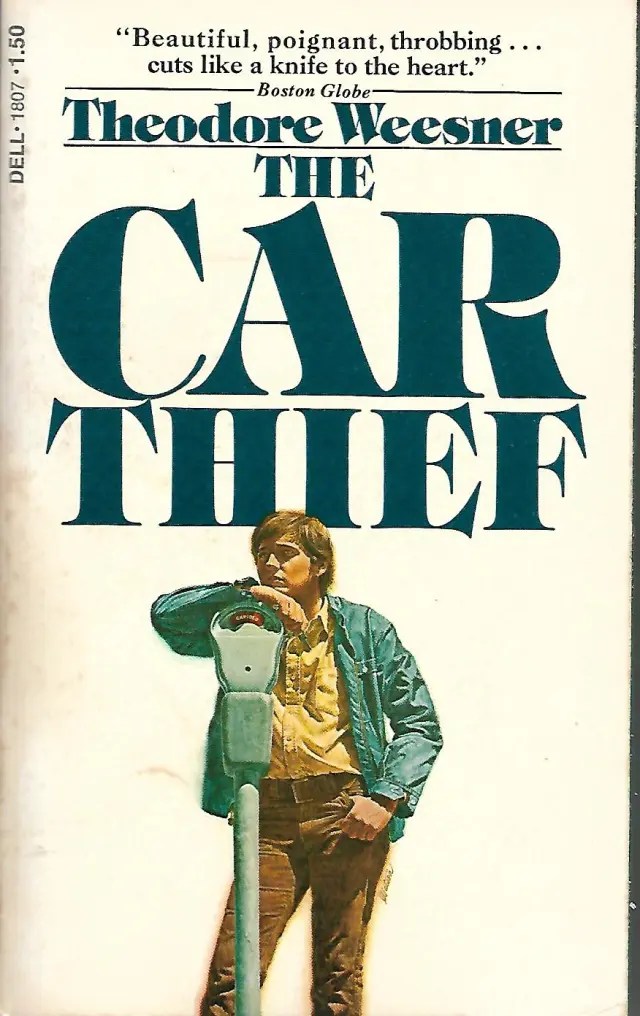
The Car Thief by Theodore Weesner – Flint Book of the Week
The Car Thief (1972) is a gritty, deeply human coming-of-age novel set in 1959 Flint, Michigan, that follows 16-year-old Alex Housman, a troubled teen who has just stolen his fourteenth car. Initially, Alex doesn’t really know why he steals cars — he simply feels numb, invisible, and restless, using the thrill of driving stolen vehicles as a hollow means of expression and escape from the isolation he feels in his everyday world.

Alex lives with his alcoholic father, a night-shift autoworker who loves his son but is often too depressed and distracted by his own struggles to give Alex the guidance he desperately needs. Alex’s mother abandoned the family years earlier, taking his younger brother with her, which deepens his sense of abandonment and emotional disconnection.

When Alex is finally caught and sent to juvenile detention, he finds himself confronting his past, his loneliness, and the painful realities of his family situation. Returning home doesn’t magically solve his problems — he still feels estranged at school, has difficulty forming healthy relationships, and continues to grapple with his identity. Along the way, he yearns for affection and recognition, including the admiration of a girl at school, and struggles to express the deep, complicated love he feels for his father.

Ultimately, the novel explores alienation, longing, and the messy landscape of adolescence within a working-class, blue-collar setting. Written in deceptively plain yet emotionally powerful language, The Car Thief illuminates the quiet desperation of a boy trying to find meaning and connection in a world that has largely overlooked him.

Notable Events:
•  Alex steals yet another car (his fourteenth)
The novel opens with Alex stealing a car almost compulsively. This event establishes his numbness, his craving for motion and control, and his inability to articulate why he steals — setting the emotional tone of the book.

•  Alex is arrested and sent to juvenile detention
Being caught finally interrupts Alex’s cycle of theft. His time in detention forces him into isolation and reflection, marking the first point where he must confront the consequences of his actions rather than simply escaping through driving.

•  Revelations about his fractured family
Through memory and reflection, the reader learns that Alex’s mother abandoned the family, taking his younger brother, and that his father is an alcoholic autoworker struggling with depression. These revelations clarify the emotional neglect and abandonment fueling Alex’s behavior.

•  Alex’s uneasy return home and school life after detention
After his release, Alex finds that nothing has really changed. He remains alienated at school, struggles socially, and yearns for connection — particularly through his awkward, unfulfilled interest in a girl. This reinforces the novel’s theme that punishment alone does not heal emotional wounds.

•  Alex’s painful recognition of his bond with his father
Near the end of the novel, Alex begins to recognize both his father’s flaws and his quiet love for him. Though no neat resolution occurs, this emotional insight marks Alex’s first step toward self-awareness and maturity, suggesting the possibility — but not the guarantee — of change.

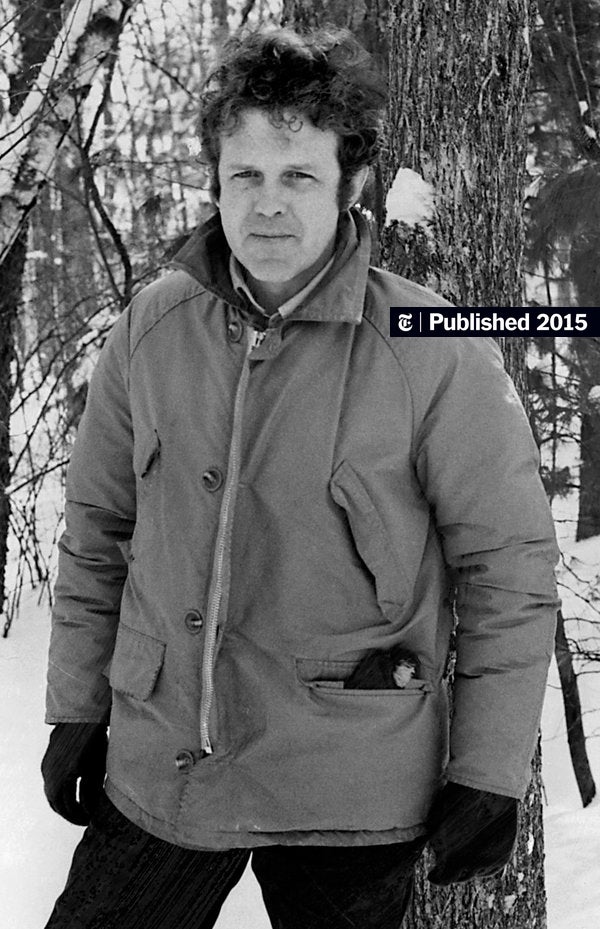
Theodore Weesner (1935 – 2015)
was an American novelist and short-story writer born on July 31, 1935, in Flint, Michigan. He grew up in a challenging working-class environment; his mother abandoned the family when he was very young and he spent part of his youth in foster care before living with his father. Weesner’s early life included struggles with school and brushes with petty crime, experiences that would deeply inform his fiction. After joining the U.S. Army at 17 and earning his high-school equivalency diploma, he went on to study at Michigan State University and later received an MFA from the University of Iowa Writers’ Workshop.

His debut novel, The Car Thief (1972) — a realistic coming-of-age story set in Michigan and originally excerpted in The Atlantic Monthly, The New Yorker, and Esquire — received wide critical acclaim and remains his best-known work. Over his career, Weesner published several other novels, including A German Affair, The True Detective, Novemberfest, Harbor Lights, and Carrying, as well as short fiction featured in major literary magazines.

In addition to writing, Weesner had a long career in academia, teaching creative writing and literature at institutions including Emerson College. He lived in Portsmouth, New Hampshire, later in life and passed away on June 25, 2015 at the age of 79.
 Ramblings of an Old Coot